“level 3” search results (5000)

Introduction to the characteristics of Ethiopian boutique coffee bean flavor and taste manor with suitable acidity
In Ethiopia, the grading and quality control system of coffee is divided into three levels: producer, regional and national. All coffee is inspected by local inspection agencies before leaving the country of origin, and then re-tested at the coffee inspection and grading centers in Addis and Diredawa to determine its quality grade. Coffee is graded before auction and sale, for all involved in production, acquisition,
2016-08-05 Acidity suitable Ethiopia boutique coffee beans flavor taste manor producing area
Introduction to the unique flavor description and taste characteristics of the Yega Shiffiwaka coffee producing area
In Ethiopia, the grading and quality control system of coffee is divided into three levels: producer, regional and national. All coffee is inspected by local inspection agencies before leaving the country of origin, and then re-tested at the coffee inspection and grading centers in Addis and Diredawa to determine its quality grade. Coffee is graded before auction and sale, for all involved in production, acquisition,
2016-09-27 Unique fragrant sun Yega Sheffield Wauka coffee producing area flavor description
The grade of Ethiopian coffee
The highest grades of Ethiopian washed coffee Yega Chuefei G1 G2 Sidamo (Yirgacheffe, Sidamo) are Grade 2 and Grade 3 (G2, G3), while most of the sun-processed coffee in eastern Ethiopia are Grade 4 or Grade 5 (G4, G5). In many cases, level 4 coffee is marked as level 5 in order to reduce taxes. At present, the grading is not uniform and messy, because there is also sun processing.
2016-06-01 Ethiopia coffee grade
Ethiopian Coffee characteristics introduce Ethiopian Coffee Brand Ethiopian Coffee varieties
In Ethiopia, the grading and quality control system of coffee is divided into three levels: producer, regional and national. All coffee is inspected by local inspection agencies before leaving the country of origin, and then re-tested at the coffee inspection and grading centers in Addis and Diredawa to determine its quality grade. Coffee is graded before auction and sale, for all involved in production, acquisition,
2016-07-30 Ethiopia coffee characteristics introduction brand variety
The wine-like sour Ethiopian coffee Yega Snow Coffee Gediyo Eastern Highland Mountains
Coffee is Ethiopia's most important export cash crop and the main source of Ethiopia's foreign exchange earnings. Ethiopia's coffee exports account for about 3% of the world market, making it the eighth largest coffee exporter in the world. Coffee exports increased steadily from 58000 tons in 1990 to 110000 tons in 1995-1996 and remained at this level in the following years. 2001-2002
2016-07-05 Yes wine same sour Ethiopian coffee Yega snow coffee Ge
Unique aromatic Ethiopian Coffee Flavor Taste introduction to Fine Coffee in Manor production area
Coffee is Ethiopia's most important export cash crop and the main source of Ethiopia's foreign exchange earnings. Ethiopia's coffee exports account for about 3% of the world market, making it the eighth largest coffee exporter in the world. Coffee exports increased steadily from 58000 tons in 1990 to 110000 tons in 1995-1996 and remained at this level in the following years. 2001-2002
2016-08-09 Unique fragrant Ethiopian coffee flavor taste manor producing area characteristics
Ethiopian Coffee Flavor and Taste introduction of fine coffee beans in Ethiopian coffee producing areas
Coffee is Ethiopia's most important export cash crop and the main source of Ethiopia's foreign exchange earnings. Ethiopia's coffee exports account for about 3% of the world market, making it the eighth largest coffee exporter in the world. Coffee exports increased steadily from 58000 tons in 1990 to 110000 tons in 1995-1996 and remained at this level in the following years. 2001-2002
2016-07-29 Ethiopia coffee flavor taste introduction producing area boutique coffee beans
Introduction to the grade of Ethiopian coffee
Grade of Ethiopian coffee: Ethiopian washed coffee Yega Chuefei G1 G2 Sidamo (Yirgacheffe, Sidamo) has the highest grades 2 and 3 (G2, G3), while sun-processed coffee in eastern Ethiopia is mostly grade 4 or 5 (G4, G5). In many cases, level 4 coffee is marked as level 5 in order to reduce taxes. At present, the classification is not uniform and there are
2016-06-20 Ethiopia coffee grade introduction
Common sense of Coffee and several methods of brewing Coffee
Pressure osmosis: when 91 degrees Celsius water comes into contact with coffee powder, the soul of coffee begins to wake up.
2014-07-10 Coffee common sense coffee brewing coffee culture
The characteristics of Ethiopian Coffee Flavor and Taste Manor introduce the varieties of Ethiopian coffee
The natural characteristics of coffee beans include large coffee beans.
2016-07-25 Ethiopia coffee flavor taste manor producing area characteristics introduction variety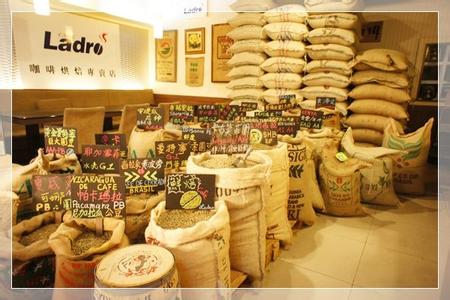
Arabica coffee futures recorded their biggest one-day decline since the end of 2010 due to late selling.
New YORK / London, March 3 (Reuters)-Arabica coffee futures plunged more than 6% to a 13-month low on Tuesday, the biggest drop since 2010, as a late wave of automatic orders was triggered to attract speculators to sell. Raw sugar futures fell to their lowest level in more than five months. Cocoa futures rose to their highest level since October, helped by technical buying and concerns about production in Ghana, the second-largest grower. five
2015-03-04 Rabbi coffee futures recorded 2010 the end of the year the biggest one-day decline.
General knowledge of boutique coffee six kinds of world-famous Ethiopian coffee
1. Limu coffee grows between 1400 meters and 2000 meters above sea level. Wash the coffee. Excellent quality, with strong nut aromas, suitable acidity, with the intensity of wine. The annual output is 29000 tons. 2. Jima Coffee grows between 1400 and 1800 meters above sea level. Sun-baked coffee. Slightly sour, with nutty aromas and a long finish. The annual output is 70000 tons. 3. Growth of Gamby Coffee
2015-06-04 Boutique coffee common sense six kinds world famous Ethiopia Yamagi grow in
Ethiopian coffee grade washed coffee Yega Xuefei
The highest grades of Ethiopian washed coffee Yega Chuefei G1 G2 Sidamo (Yirgacheffe, Sidamo) are Grade 2 and Grade 3 (G2, G3), while most of the sun-processed coffee in eastern Ethiopia are Grade 4 or Grade 5 (G4, G5). In many cases, level 4 coffee is marked as level 5 in order to reduce taxes. At present, the grading is not uniform and messy, because there is also sun processing.
2016-05-31 Ethiopia Coffee Grade Water washing Yega Sheffield
Ethiopian Coffee Flavor and Taste introduction of fine coffee beans in estates of Ethiopian coffee producing areas
Coffee is Ethiopia's most important export cash crop and the main source of Ethiopia's foreign exchange earnings. Ethiopia's coffee exports account for about 3% of the world market, making it the eighth largest coffee exporter in the world. Coffee exports increased steadily from 58000 tons in 1990 to 110000 tons in 1995-1996 and remained at this level in the following years. 2001-2002
2016-07-27 Ethiopia coffee flavor taste introduction producing area manor boutique coffee beans
Ethiopia-Coffee Origin, producing areas, characteristics, introduction
Grade of Ethiopian coffee: Ethiopian washed coffee Yega Chuefei G1 G2 Sidamo (Yirgacheffe, Sidamo) has the highest grades 2 and 3 (G2, G3), while sun-processed coffee in eastern Ethiopia is mostly grade 4 or 5 (G4, G5). In many cases, level 4 coffee is marked as level 5 in order to reduce taxes. At present, the classification is not uniform and there are
2016-06-03 Ethiopia coffee place of origin producing area characteristics introduction
Ethiopian Coffee Culture the Development of Ethiopian Coffee
Ethiopian Coffee has a long History Ethiopian Coffee has a very important history and culture the highest grades of Ethiopian coffee Yega Xuefei G1 G2 Sidamo (Yirgacheffe, Sidamo) are grade 2 and 3 (G2, G3), while sun-processed coffee in eastern Ethiopia is mostly grade 4 or 5 (G4, G5). In many cases, level four coffee is marked as level five.
2016-05-27 Ethiopia coffee culture coffee development course
Introduction to the grade of coffee beans in Ethiopia
Grade of Ethiopian coffee: Ethiopian washed coffee Yega Chuefei G1 G2 Sidamo (Yirgacheffe, Sidamo) has the highest grades 2 and 3 (G2, G3), while sun-processed coffee in eastern Ethiopia is mostly grade 4 or 5 (G4, G5). In many cases, level 4 coffee is marked as level 5 in order to reduce taxes. At present, the classification is not uniform and there are
2016-06-04 Ethiopia coffee beans grades introduction
Analysis of the certificate of barista professional qualification certification of barista
Job definition: a professional engaged in coffee blending, production, service and research in the coffee industry. The advantages and value of the certificate: 1. Why do you want to become a barista? for individuals, the certification shows that the holder has the experience and ability to engage in coffee production and service. The industry, customers and peers all regard the certificate as a symbol of the professional skill level of the holder. Certification at least
2015-04-09 Coffee Certificate Analysis occupation qualification definition engagement blending
Introduction to the characteristics of High-quality Coffee produced by the Grinding degree treatment method of Ethiopian Coffee Manor
Grade of Ethiopian coffee: Ethiopian washed coffee Yega Chuefei G1 G2 Sidamo (Yirgacheffe, Sidamo) has the highest grades 2 and 3 (G2, G3), while sun-processed coffee in eastern Ethiopia is mostly grade 4 or 5 (G4, G5). In many cases, level 4 coffee is marked as level 5 in order to reduce taxes. At present, the classification is not uniform and there are
2016-10-13 Ethiopia Coffee Manor Grinding processing Variety producing area characteristics Fine goods
How to choose coffee beans G1 G2 G3 G4 what are the treatment methods? Boutique coffee beans
In fact, these Grade-2,Grade-3 do not exactly represent the level of quality. What does that mean? As follows: washing: a) both washing and sunlight, there is Gr-1, the condition is zero defect and PremiumCup. Whether it's washing or tanning, Gr-1 rates the boutique of the boutique or CupofExcellence coffee. B) the lowest level of sun-tanned Shifei and Sidamo is Gr-4. C) same
2016-04-01 How coffee beans respectively what is treatment method boutique in fact these G